Next-Gen RTX 5070 Gaming at Competitive Price
The Legion 5 series has long been Lenovo’s sweet spot for gaming laptops – sitting between budget options and the premium Legion 7 lineup. It’s aimed at serious gamers who want strong performance without paying for the absolute highest-end hardware or ultra-premium build materials. The Legion 5 has consistently delivered solid value by focusing on what matters most: gaming performance.
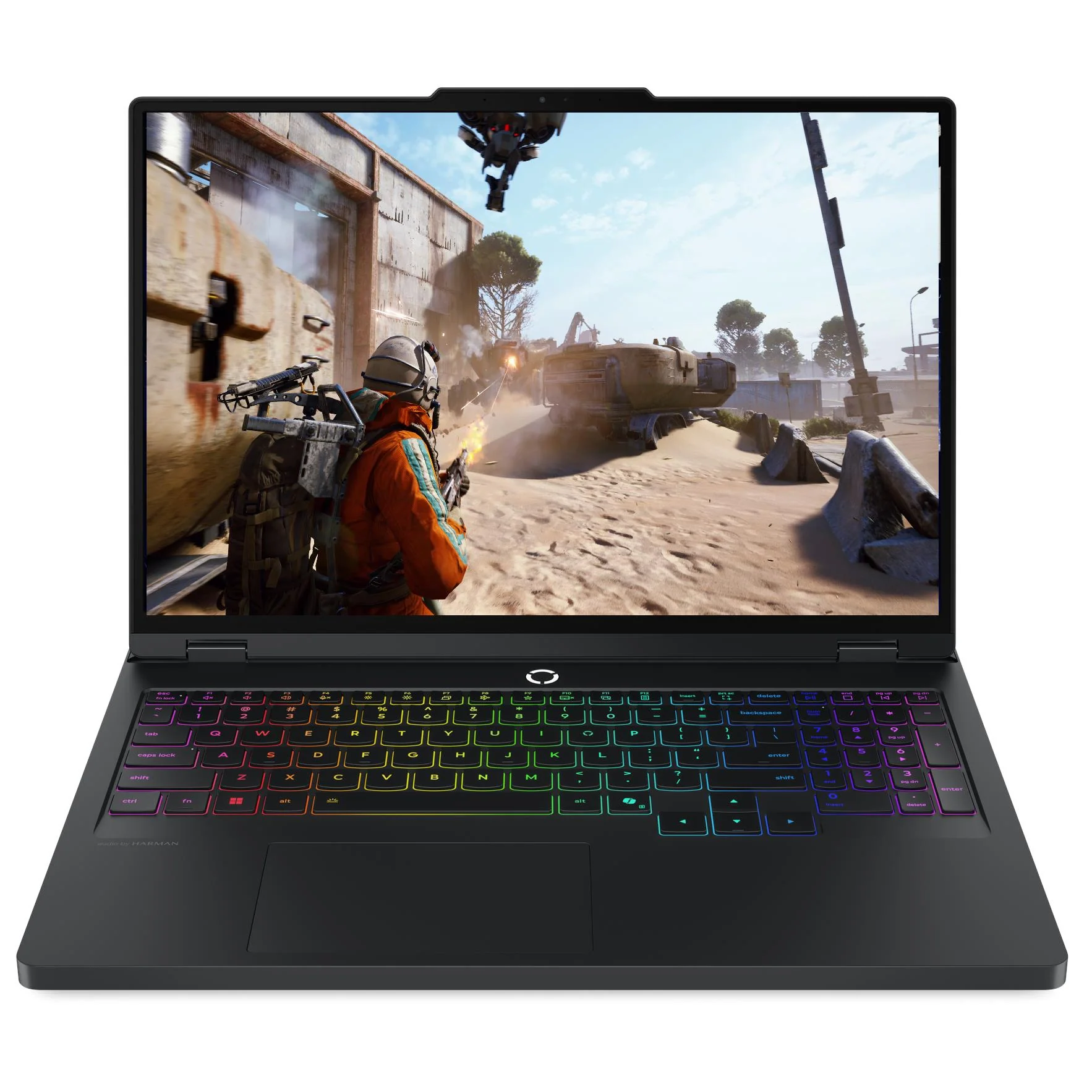
The Lenovo Legion 5 15IRX10 represents the latest generation, and it’s packing genuinely cutting-edge hardware. This is one of the first laptops available with NVIDIA’s brand new RTX 5070 GPU from the 50-series lineup, which only just launched. Paired with an Intel Core i7-13650HX, 24GB of RAM, and a 165Hz display with G-SYNC, it’s targeting gamers who want high-refresh 1080p gaming with plenty of headroom for demanding titles.
At $1,999 on sale at JB Hi-Fi (down from $3,299) or $2,309 at PBTech, this sits in a completely different performance tier than the RTX 4050 laptops we’ve been reviewing lately. But does the cutting-edge GPU justify the price, and can the Legion 5’s traditionally solid execution deliver a great overall experience? Let’s dig in.
Pros
- RTX 5070 delivers excellent 1080p gaming
- 165Hz display with G-SYNC
- 100% sRGB with factory calibration
- Strong sale price at $1,999
Cons
- Plastic chassis feels budget-grade
- Gets hot under load
- Battery life underwhelms despite 80Wh capacity
Key Specifications
- Display: 15.3″ WUXGA (1920 x 1200), 165Hz, IPS, 300 nits, 100% sRGB, 16:10 aspect ratio, anti-glare, Dolby Vision, G-SYNC, factory colour calibrated
- Processor: Intel Core i7-13650HX (14 cores: 6P + 8E, 20 threads, P-cores up to 4.9 GHz, E-cores up to 3.6 GHz, 24MB cache)
- Graphics: NVIDIA GeForce RTX 5070 (8GB GDDR7, 115W TGP, Boost 2347MHz, 798 AI TOPS)
- Memory: 24 GB DDR5-4800 (2 x 12 GB, dual-channel)
- Storage: 1 TB PCIe 4.0 NVMe SSD
- Operating System: Windows 11 Home
- Wireless: Wi-Fi 6 (802.11ax 2×2), Bluetooth 5.2, Gigabit Ethernet (10/100/1000)
- Battery: 80 Wh
- Ports: 3x USB-A (5Gbps, one Always On), 2x USB-C (10Gbps, one with PD 65-100W + DisplayPort 2.1, one with DisplayPort 1.4), HDMI 2.1 (up to 8K/60Hz), Ethernet (RJ-45), 3.5mm combo audio jack, power connector
- Keyboard: White backlit, English
- Camera: 720p HD with e-shutter
- Audio: Stereo speakers (2W x2), HARMAN audio with Nahimic, Realtek ALC3287 codec
- Weight: Starting at 2.1 kg
- Dimensions: 344.9 x 255.35 x 22.50-23.99 mm
- Power: 245W Slim Tip adapter
- Screen-to-body ratio: 90.9%
- AI Chip: LA1
- Chipset: Intel HM770
- Certifications: Energy Star 9.0, EPEAT Gold, TÜV Low Blue Light
- Colour: Eclipse Black
- Release: Announced July 2025 (very recent)
- Price: JB Hi-Fi $1,999 (on sale, save $1,300), PBTech $2,309
Understanding the RTX 5070
Before going into the review, it’s important to understand what makes this laptop different: the NVIDIA GeForce RTX 5070 is new hardware from NVIDIA’s recently-launched 50-series lineup. This is cutting-edge technology that only became available in early 2025.
The RTX 5070 represents a significant step up from the RTX 4050 laptops we’ve been reviewing:
- More VRAM: 8GB GDDR7 vs 6GB GDDR6
- Newer architecture: Better efficiency and performance
- Higher performance: Roughly 60-80% faster than RTX 4050
- Advanced features: Latest DLSS, ray tracing improvements
This laptop competes in a completely different performance tier than budget gaming laptops. It’s aimed at gamers who want to max out settings at 1080p or even play at 1440p with good frame rates.
Design and Build Quality
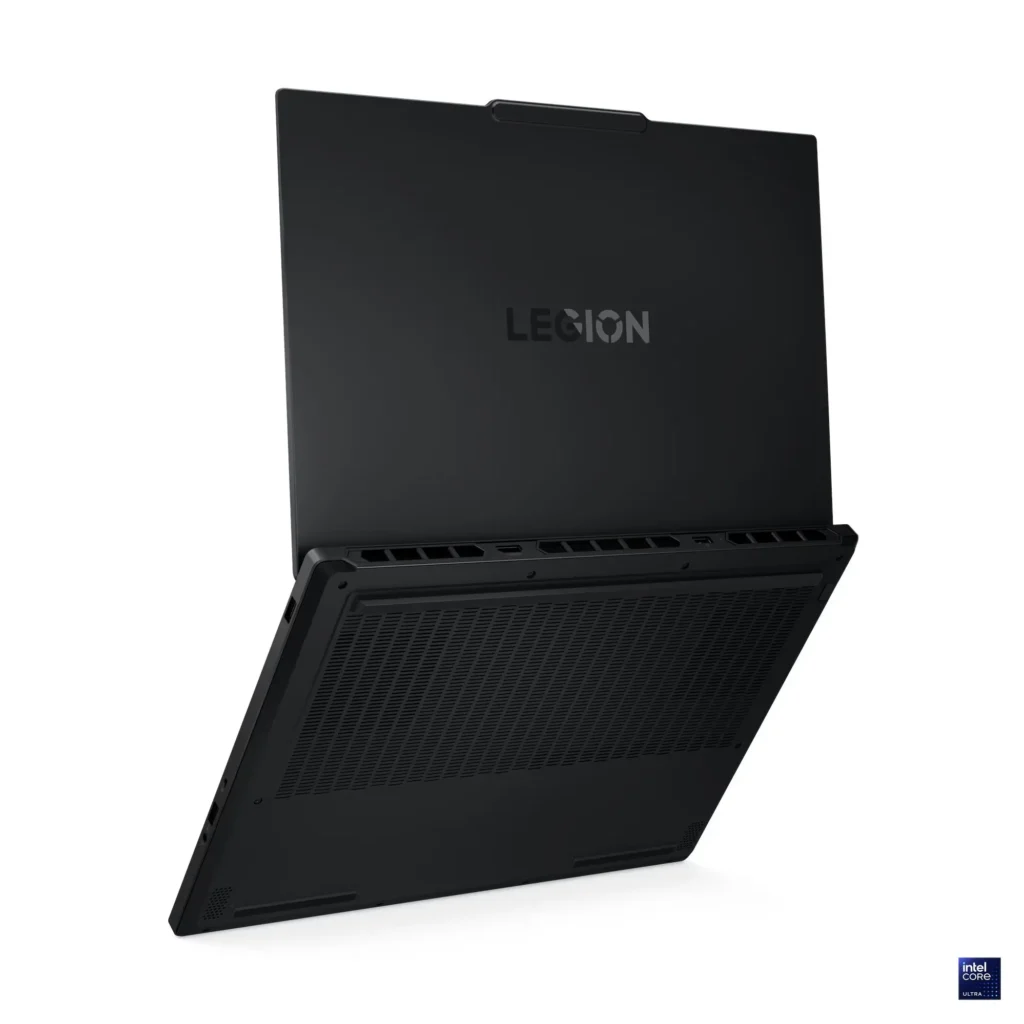
Here’s where the Legion 5 makes its most obvious compromise: the plastic chassis. At this price point ($2,000+), you might expect aluminium construction, but Lenovo uses PC-ABS plastic with 15% talc on both the top and bottom. The Eclipse Black paint finish looks decent enough, but pick it up and the plastic construction is immediately apparent.
The chassis feels solid enough with minimal flex – Lenovo’s engineering is competent – but it doesn’t have the premium feel of metal-bodied laptops. For a gaming laptop that prioritizes performance over materials, this is an acceptable trade-off, but it’s worth noting when you’re spending two grand.
At 2.1kg, it’s reasonably portable for a gaming laptop, lighter than the HP Victus 15 (2.29kg) but heavier than the ASUS V16 (1.95kg). The 22.50-23.99mm thickness is typical for gaming laptops with serious cooling systems.
The 90.9% screen-to-body ratio is excellent – Lenovo has minimized bezels effectively, giving the laptop a modern appearance despite the plastic construction.
The Legion branding is understated, and the overall design is clean without excessive gamer styling. You could use this in professional or educational settings without drawing too much attention.
Display
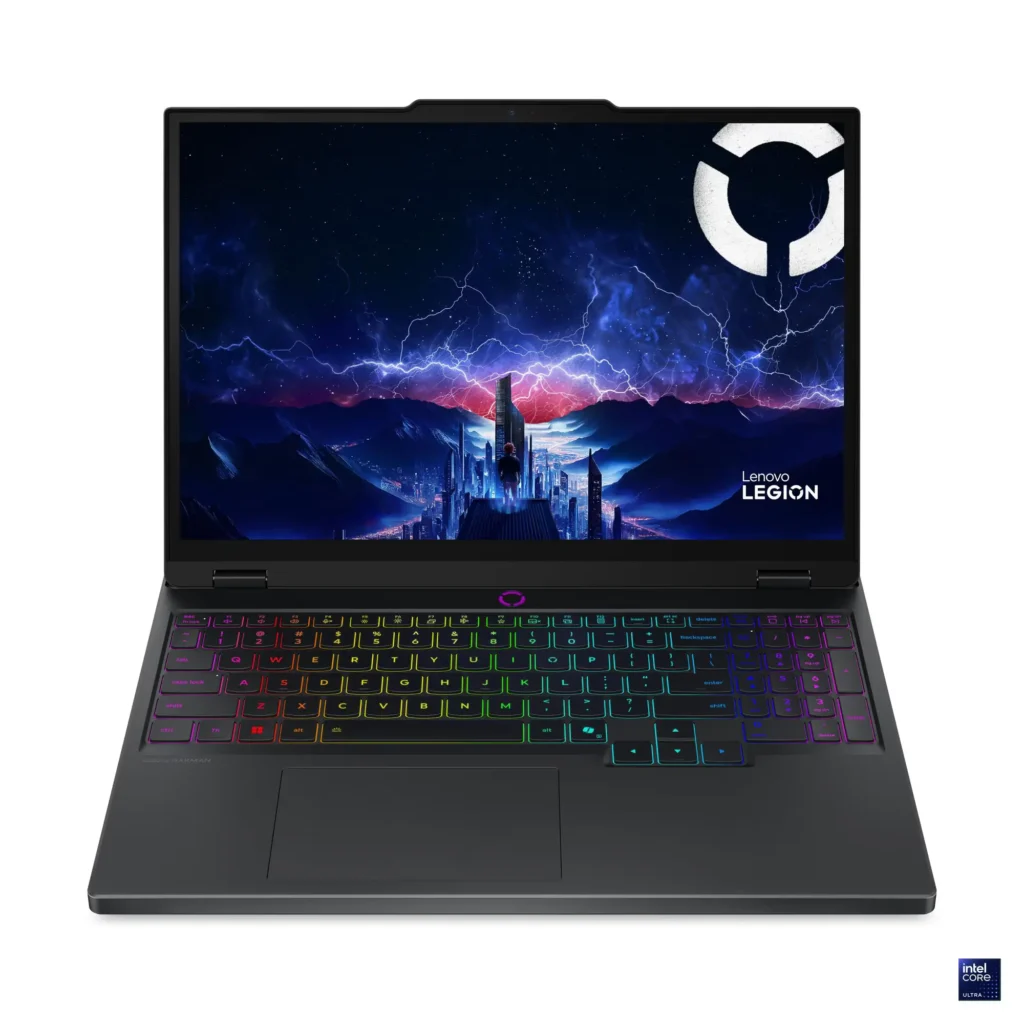
The 15.3-inch display is one of the Legion 5’s genuine highlights. The WUXGA (1920 x 1200) resolution in a 16:10 aspect ratio provides extra vertical space compared to standard 16:9 displays, which helps for productivity work between gaming sessions.
The 165Hz refresh rate is excellent for gaming – noticeably smoother than 144Hz displays and perfect for competitive gaming where every frame matters. Paired with G-SYNC support, this eliminates screen tearing and provides buttery-smooth visuals when gaming.
The IPS panel covers 100% sRGB with factory colour calibration, which is significantly better than the 62.5% sRGB we’ve seen on budget gaming laptops. Colours look vibrant and accurate, making this suitable for light creative work and ensuring games look as developers intended.
Dolby Vision support adds HDR capabilities for compatible content, enhancing the media consumption experience. The 300 nits brightness is adequate for indoor use but struggles outdoors or in very bright environments.
The TÜV Rheinland Low Blue Light certification (hardware solution) suggests Lenovo has implemented eye-care technology to reduce strain during extended gaming sessions.
Now, about the “16:10 screen” being listed as a drawback – this is unusual. The 16:10 aspect ratio is generally considered an advantage for productivity, providing more vertical space than 16:9. For gaming, some purists prefer 16:9 as it matches console aspect ratios, but for a laptop used for both gaming and everyday computing, 16:10 is arguably better. This might be personal preference rather than an objective flaw.
Overall, this display is excellent for both gaming and general use – the 165Hz, G-SYNC, and 100% sRGB coverage make it one of the better gaming laptop displays available.
Gaming Performance
This is where the Legion 5 15IRX10 truly shines. The RTX 5070 with 115W TGP (Total Graphics Power) delivers excellent gaming performance that’s in a completely different league from the RTX 4050 laptops we’ve been reviewing.
Expected gaming performance:
- Esports titles (Valorant, CS2, League of Legends, Fortnite): 165fps+ on ultra settings, fully utilizing the 165Hz display
- Modern AAA games at 1080p (Cyberpunk 2077, Starfield, Modern Warfare III): 90-120fps on high-to-ultra settings
- Demanding titles with ray tracing: 60-80fps with DLSS enabled
- 1440p gaming: Very capable at medium-to-high settings (50-80fps)
The Intel Core i7-13650HX with 14 cores (6 performance + 8 efficiency cores) provides plenty of CPU power. It’s 13th generation rather than 14th, but it’s a powerful HX-series chip that won’t bottleneck the GPU in any games.
The 24GB of DDR5-4800 RAM in dual-channel configuration (2 x 12GB) is unusual but welcome – most laptops come with 16GB. The dual-channel setup ensures you’re getting proper memory bandwidth, unlike the single-channel disaster we saw on the HP Victus 15.
The 1TB SSD provides ample storage for a decent game library, and having two M.2 slots means you can add a second drive if needed.
The RTX 5070 supports the latest DLSS 3.5, Frame Generation, and ray tracing technologies, which can dramatically boost performance in supported games. The 8GB GDDR7 memory provides plenty of VRAM for high-resolution textures and future games.
Thermal Performance
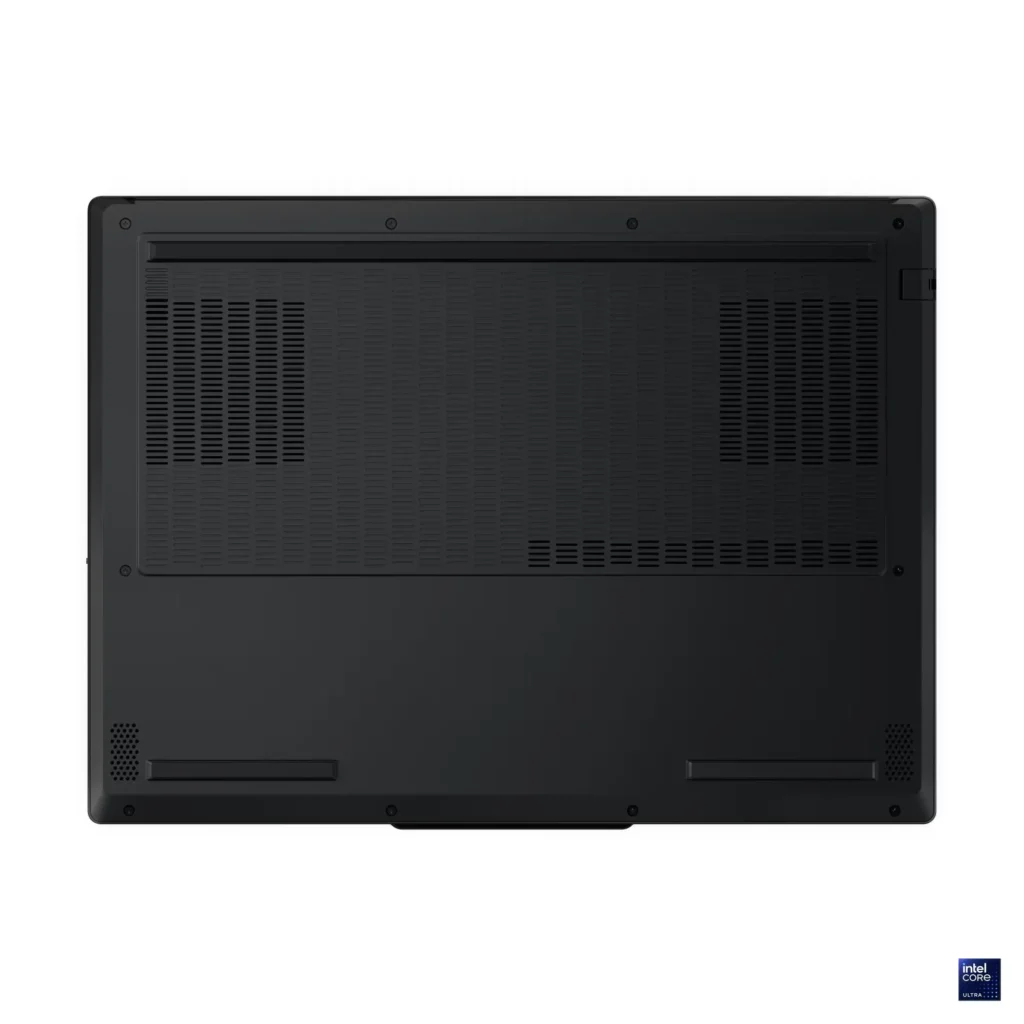
The Legion 5 can get hot under load, which isn’t surprising given the powerful hardware and plastic chassis. The 245W power adapter tells you this system draws serious power, and all that energy converts to heat that must be dissipated.
During gaming sessions, expect the laptop to get noticeably warm, particularly around the rear vents and keyboard area. Fan noise will be present and potentially loud during intensive gaming – this is the trade-off for packing high-performance hardware into a laptop chassis.
Lenovo’s cooling solution works hard to manage thermals, and the laptop shouldn’t thermal throttle too badly, but you’ll definitely hear the fans working. Using a laptop cooling pad could help manage temperatures during marathon gaming sessions.
Keyboard and Trackpad
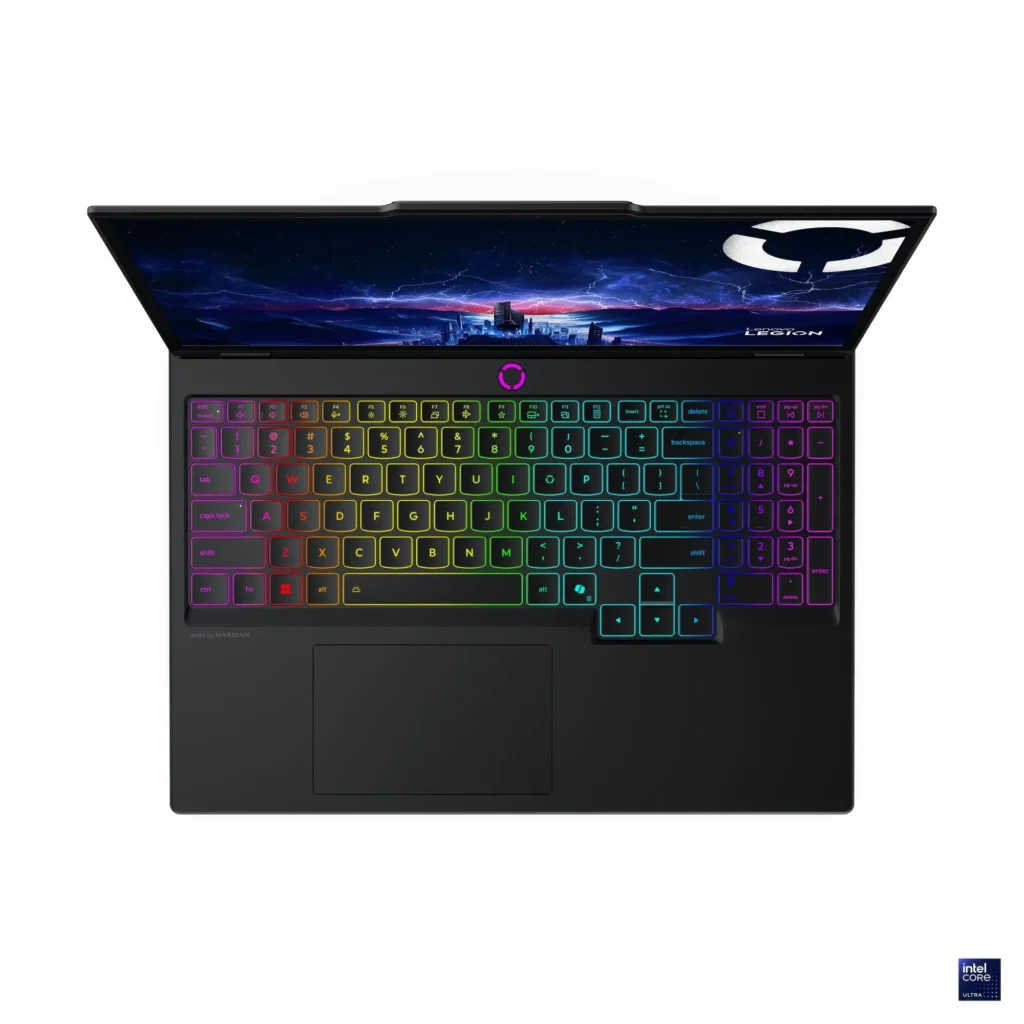
The white backlit keyboard is well-suited for gaming. Lenovo’s keyboards are typically reliable, with good key travel and tactile feedback for extended gaming or typing sessions.
The white backlighting provides good visibility in low-light conditions without being as intense as RGB lighting – a nice middle ground that works in both gaming and professional contexts.
The precision touchpad (75 x 120mm) is generously sized with a buttonless Mylar surface, supporting Windows Precision Touchpad gestures. It should provide smooth, accurate tracking for everyday navigation, though most gamers will use an external mouse anyway.
Ports and Connectivity
The port selection is comprehensive and modern:
- 3x USB-A (5Gbps, one with Always On)
- 2x USB-C (10Gbps, one with PD 65-100W + DisplayPort 2.1, one with DisplayPort 1.4)
- 1x HDMI 2.1 (up to 8K/60Hz)
- 1x Gigabit Ethernet (RJ-45)
- 1x 3.5mm combo audio jack
- 1x Power connector
Having Gigabit Ethernet is crucial for gaming – wired connections provide stable, low-latency connectivity that Wi-Fi can’t match. The HDMI 2.1 port supports cutting-edge displays at high refresh rates or even 8K resolution.
The USB-C ports are particularly impressive – one supports up to 100W Power Delivery, meaning you could potentially charge the laptop via USB-C for light tasks (though you’ll need the 245W adapter for gaming). Both support DisplayPort for connecting high-resolution external monitors.
The “Always On” USB-A port lets you charge devices even when the laptop is sleeping or off, which is handy for phones or other peripherals.
Wi-Fi 6 (not 6E) provides fast wireless connectivity, though Wi-Fi 6E would have been nice at this price point. Bluetooth 5.2 handles wireless peripherals.
However, there’s no SD card reader, which is disappointing for content creators or anyone who regularly transfers files from cameras.
Audio and Webcam
The stereo speakers with HARMAN audio and Nahimic optimization should deliver better sound than basic gaming laptop speakers. The Realtek ALC3287 codec is a quality audio chip.
That said, laptop speakers have fundamental limitations due to size and placement. For serious gaming, you’ll still want a gaming headset for better audio quality, microphone performance, and directional audio cues.
The 720p webcam with e-shutter feels dated for a laptop released in 2025. Competitors are moving to 1080p cameras, which deliver noticeably better video call quality. For a $2,000+ laptop, Lenovo should have included a 1080p camera.
Battery Life
The 80Wh battery is larger than most gaming laptop competitors we’ve reviewed – larger than the ASUS V16 (63Wh), MSI Cyborg (53.5Wh), and HP Victus 15 (70Wh). However, battery life could be better despite this capacity.
Expected battery life:
- Light productivity use: 4-6 hours
- Video streaming: 3-5 hours
- Gaming: 1-1.5 hours
The power-hungry RTX 5070 and i7-13650HX drain batteries quickly. The massive 245W power adapter is necessary for gaming – you simply cannot game on battery power for any meaningful duration.
For a laptop with this much performance, you should expect to keep it plugged in during gaming sessions. For productivity work between gaming, the battery life is adequate but not exceptional.
AI Features
The laptop includes the LA1 AI chip and is marketed as an “AI-Powered Gaming PC.” The RTX 5070 GPU provides 798 AI TOPS (Trillions of Operations Per Second) for AI workloads.
These AI capabilities enable features like DLSS, improved ray tracing, and Windows 11’s AI features. The bundled “Lenovo AI Now” software presumably provides AI-enhanced features, though specifics aren’t detailed.
Value Comparison
At $1,999 (JB Hi-Fi sale) or $2,309 (PBTech), how does this compare?
ASUS V16: $1,399 with RTX 4050 – much cheaper but significantly less powerful
HP Victus 15: $1,899 with RTX 4050 – similar price but much weaker GPU, poor RAM config
MSI Cyborg 15: $999 with RTX 4050 – cheaper but terrible battery and very loud
Other RTX 5070 laptops: Likely $2,500-3,000+, making the Legion 5 at $1,999 excellent value for the specs
The Legion 5’s $1,999 sale price represents exceptional value for an RTX 5070 laptop. Most competitors with similar specs cost significantly more, making this one of the most affordable ways to get into the new 50-series GPU lineup.
Pros:
- RTX 5070 delivers excellent gaming performance – huge step up from RTX 4050
- 165Hz display with G-SYNC provides buttery-smooth gaming
- 100% sRGB color coverage with factory calibration
- 24GB dual-channel RAM excellent for gaming and multitasking
- Gigabit Ethernet for stable online gaming
- 80Wh battery larger than most competitors
- Two fast 10Gbps USB-C ports with DisplayPort support
- USB-C Power Delivery up to 100W for flexible charging
- HDMI 2.1 supports up to 8K/60Hz for future-proofing
- 16:10 aspect ratio provides extra vertical space
- Dolby Vision support for HDR content
- Strong sale price at $1,999 for RTX 5070 specs
- Two M.2 slots for storage expansion
- TÜV Low Blue Light certification
- 90.9% screen-to-body ratio with thin bezels
Cons:
- Plastic chassis feels budget-grade for a $2,000 laptop
- Gets hot under load – thermal management challenged by powerful hardware
- Battery life could be better despite 80Wh capacity
- 720p webcam dated compared to 1080p alternatives
- No SD card reader
- 245W power brick massive and heavy – poor portability
- Wi-Fi 6 rather than Wi-Fi 6E
- Fan noise noticeable during gaming
- Only 300 nits brightness struggles outdoors
Final Verdict
The Lenovo Legion 5 15IRX10 is a gaming laptop that prioritizes performance above all else, and it succeeds admirably. The RTX 5070 GPU delivers gaming performance that’s in a completely different league from the RTX 4050 budget laptops we’ve been reviewing – this is a proper gaming machine capable of maxing out settings at 1080p and even handling 1440p gaming well.
At $1,999 on sale, this represents exceptional value for cutting-edge hardware. The RTX 5070 is brand new (50-series just launched), and most laptops with similar specs cost $2,500-3,000+. The 165Hz G-SYNC display with 100% sRGB, 24GB of dual-channel RAM, and comprehensive port selection including Ethernet all add genuine value.
However, the plastic chassis feels disappointing at this price point. Thermal management struggles with the powerful hardware, resulting in heat and fan noise during gaming. The 720p webcam is dated, and battery life is merely adequate despite the 80Wh capacity.
Who should buy this:
- Serious gamers wanting high-refresh 1080p gaming at max settings
- Anyone wanting cutting-edge RTX 5070 performance without paying $3,000+
- Gamers who prioritize performance over premium materials
- Users who need Ethernet for competitive gaming
Who should avoid this:
- Anyone bothered by plastic construction at $2,000 price point
- Users needing strong battery life for unplugged gaming
- Anyone wanting whisper-quiet operation
- Casual gamers who’d be satisfied with RTX 4050 (save $600 with ASUS V16)
At $1,999, the Legion 5 15IRX10 delivers exceptional gaming performance for the money. The RTX 5070 justifies the price if you’re a serious gamer who wants to max out settings and maintain high frame rates. The plastic chassis and thermal challenges are frustrating, but they’re acceptable trade-offs when you’re getting cutting-edge GPU performance at this price.
For casual gamers satisfied with medium-high settings, the ASUS V16 at $1,399 offers better value. But for gamers who want maximum performance and are willing to accept the compromises, the Legion 5 at $1,999 is an excellent choice that delivers proper high-end gaming without the typical $3,000+ price tag.
Just keep it plugged in, accept that it’ll get warm and loud during gaming, and enjoy frame rates that budget laptops can only dream about. If you’re serious about gaming and the $1,999 price fits your budget, this is hard to beat.


I have the exact same display in my legion 5, but Lenovo hard locked it from having G-sync, it even says it is capable of 48-165hz in custom resolution utility. It’s annoying
And I had to literally download the dolby vision provisioning kit too.